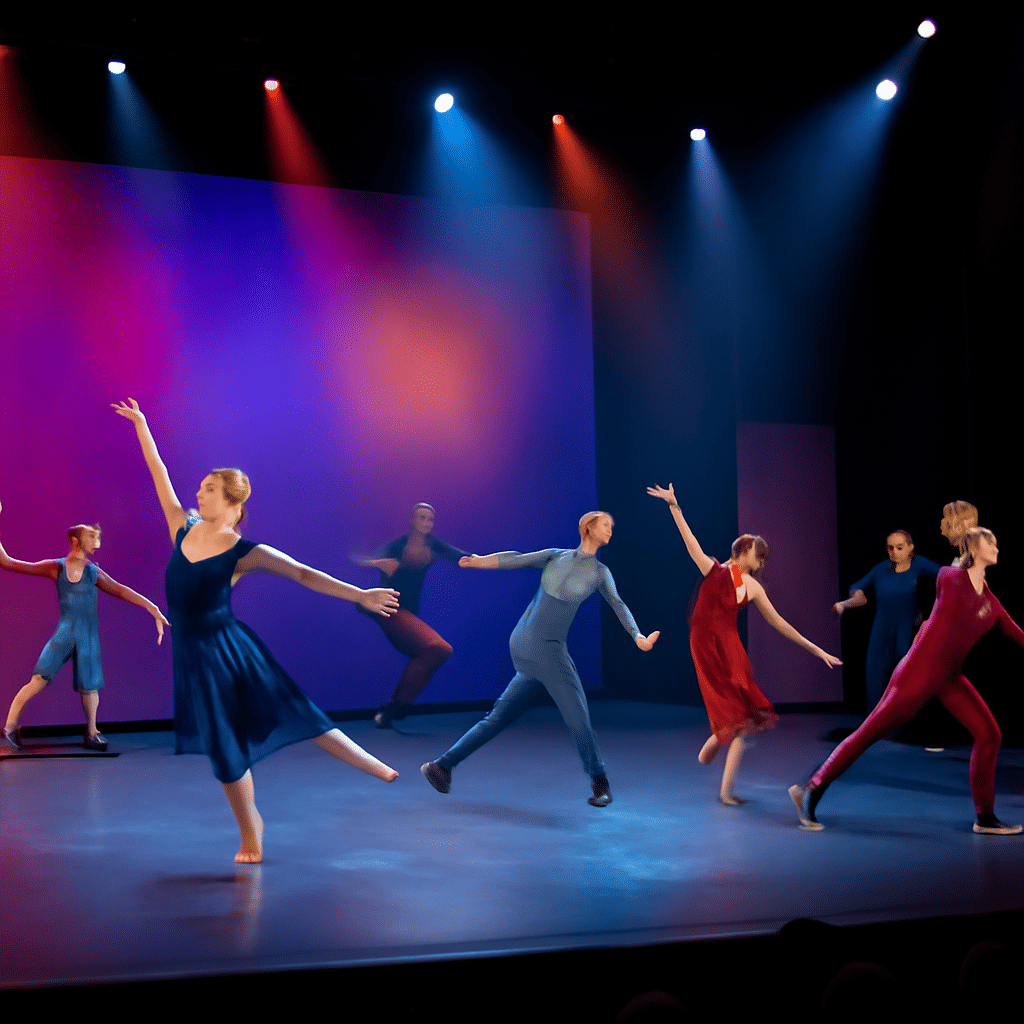
Ballet, with its roots deeply embedded in the royal courts of the Renaissance, continues to hold a prominent position in the landscape of modern performing arts. While it is often perceived as a traditional or classic dance form, ballet has adeptly evolved to remain relevant and influential in the realm of contemporary dance. Its integration into modern performing arts can be observed through its impact on dance education, creative innovation, and collaboration with diverse artistic forms.
One of the primary ways ballet integrates with modern performing arts is through its educational framework. Ballet training provides the foundational skills that are essential for any aspiring dancer. The rigorous discipline, technical precision, and understanding of body mechanics that ballet instills are invaluable to mastering any dance form. From modern to contemporary to jazz, dancers often begin their journey in ballet classes, where they develop strength, posture, agility, and artistic expression. These skills are transferrable and enhance a dancer’s ability to perform a wide array of dance styles in the modern artistic milieu.
Moreover, ballet's influence is evident in the choreography of contemporary dance pieces. Many modern choreographers incorporate ballet techniques to enrich their stylistic vocabulary. This can be seen in the fluid yet precise movements that are characteristic of contemporary dance performances. Ballet’s focus on line, balance, and grace is blended with the innovative approaches of modern dance, creating a hybrid that appeals to diverse audiences and challenges performers to push their boundaries.
Ballet also engages in collaboration with various forms of performing arts, underscoring its versatility and adaptability. The integration of ballet with elements of theater, multimedia art, and live music performances has resulted in captivating productions that transcend traditional genre boundaries. Ballet productions today frequently experiment with contemporary themes and storytelling, which resonate with modern audiences. This fusion not only showcases ballet’s flexibility but also its capacity to convey the human experience in profound and contemporary ways.
The continued relevance of ballet in modern performing arts is also linked to its cultural and historical significance. Ballet companies globally are acknowledging this by blending the traditional with the avant-garde, thus preserving the classical heritage while embracing new artistic trends. Performances today may incorporate contemporary music, innovative stage designs, and digital technology to create dynamic and immersive experiences that reflect modern sensibilities.
In conclusion, ballet remains a crucial pillar in contemporary dance education and plays a significant role in the ongoing evolution of modern performing arts. Its integration with current artistic forms and its adaptability to new creative expressions ensure that ballet not only survives but thrives in the contemporary world. By instilling a deep respect for tradition while simultaneously encouraging innovation, ballet continues to shape the future of performing arts in exciting and unforeseen ways.