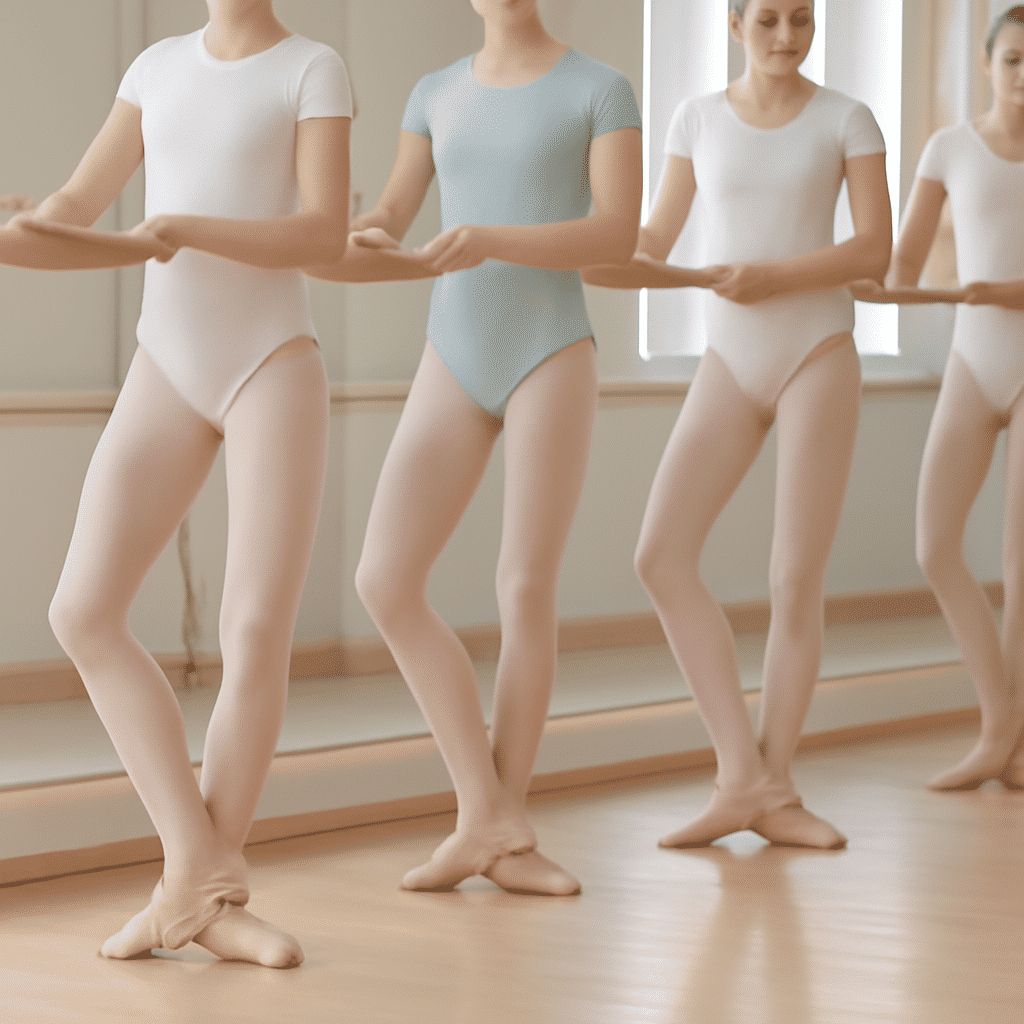
Ballet is a beautiful and disciplined form of dance that requires dedication and practice to master. For beginners, developing a strong foundation in essential ballet techniques is crucial for progress and success. This guide will introduce you to the core exercises and concepts that every budding dancer should focus on as they embark on their ballet journey.
Understanding Ballet Posture
The foundation of all ballet techniques is proper posture. Ballet posture, or alignment, involves maintaining a straight spine, engaged core, and neutral pelvis. Shoulders should be down and back, with the chin slightly lifted to project grace and confidence. Mastering this alignment is crucial for executing movements with precision and elegance.
The Five Basic Positions
The cornerstone of ballet technique lies in the five basic foot positions. These positions—First, Second, Third, Fourth, and Fifth—are the starting and ending points for most ballet movements. Each position has a specific placement of the feet and arms, which helps to develop balance, flexibility, and coordination. Practicing these positions regularly will enhance your understanding and execution of more complex movements.
Pliés: The Foundation of Fluidity
Pliés are a fundamental exercise that helps develop strength and flexibility in the legs and ankles. There are two types of pliés: demi-plié (a small bend) and grand plié (a deep bend). Practicing pliés in each of the five positions strengthens leg muscles, enhances balance, and improves overall body control, all of which are vital for performing jumps and turns.
Tendus and Dégagés: Building Precision
Tendus and dégagés are exercises that refine footwork and develop sharpness in movement. A tendu involves stretching the foot along the floor to a pointed position, while a dégagé lifts the foot slightly off the ground. These movements improve the articulation of the feet, helping dancers to develop quick, precise footwork that is essential for complex choreography.
Rond de Jambe: Enhancing Flexibility
Rond de jambe is an exercise that involves tracing a semi-circle on the floor with the foot. This movement is performed in both directions—à terre (on the ground) and en l'air (in the air). Practicing rond de jambe increases the range of motion in the hips, enhances flexibility, and aids in achieving fluid transitions between movements.
Relevé: Mastering Balance and Strength
Relevé is the act of rising onto the balls of the feet, which strengthens the calves and enhances balance. Performing relevés in different positions helps build the stable foundation needed for turns and jumps. Consistent practice improves muscle tone and posture, contributing to a graceful and poised appearance.
Pirouettes: The Art of Turning
A pirouette is a fundamental turning technique that combines balance, coordination, and control. To perform a pirouette, dancers form a tight spin with one leg extended in a passé position. Beginners should focus on aligning the body, spotting to prevent dizziness, and maintaining a steady core to execute clean turns.
Conclusion
Mastering these essential ballet techniques will provide beginners with a strong foundation on which to build their dance skills. Regular practice and attention to detail in each exercise will not only develop technical expertise but also contribute to the artistry and expressiveness that make ballet such a captivating form of dance. With patience and dedication, beginners will find themselves growing into confident, proficient dancers who can express the grace and beauty inherent in ballet.