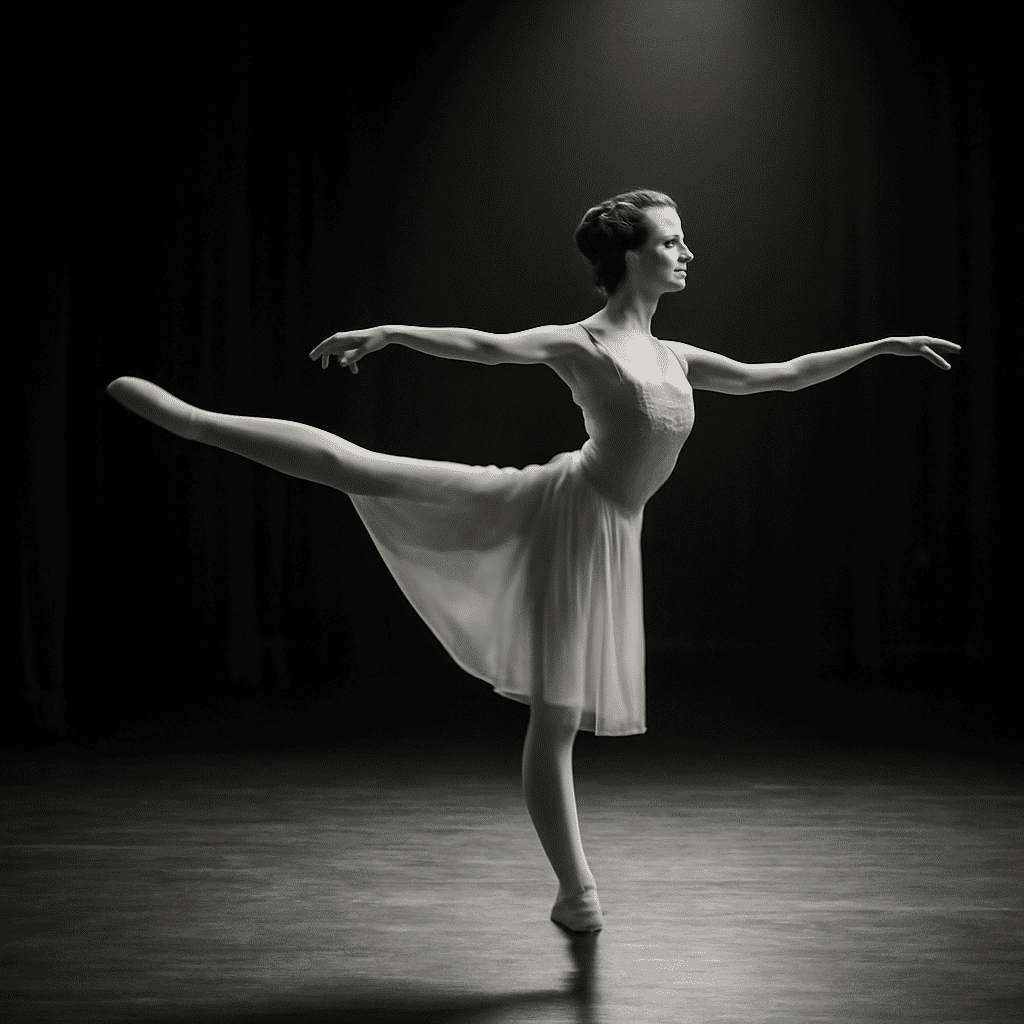
Ballet, an exquisite blend of grace, precision, and emotion, stands as a testament to the enduring power of artistic expression. Its roots run deep, tracing back to the Renaissance courts of Europe, yet its influence permeates contemporary culture and education in profound ways, particularly in the United States.
The origins of ballet can be found in the opulent courts of Italy during the 15th century, where it began as an elaborate form of dance entertainment. It was Catherine de' Medici, an Italian noblewoman and patron of the arts, who truly propelled the art form into broader prominence. Upon marrying King Henry II of France, she brought ballet to the French court, where it flourished under the patronage of Louis XIV. His founding of the Académie Royale de Danse in 1661 set the groundwork for formalized ballet training, establishing an art form that values discipline and aesthetic beauty.
As ballet traversed borders, it morphed into various styles, each reflecting the cultural kaleidoscope from which it emerged. The Russian interpretation brought a dramatic flair and technical precision that transformed the classical standards. Iconic companies and schools, such as the Mariinsky Theatre and the Bolshoi Ballet, became the vanguards of this evolution, producing luminaries like Anna Pavlova and Rudolf Nureyev.
When ballet crossed the Atlantic, it found fertile ground in the United States, integrating itself into the nation's cultural tapestry. George Balanchine, a Russian émigré and co-founder of the New York City Ballet, revolutionized American ballet with his neoclassical style. Balanchine's emphasis was on speed, clarity, and musicality, which played a pivotal role in shaping what many perceive as the "American style" of ballet. His work carved a niche for ballet in the modern era, bridging the gap between classical tradition and contemporary innovation.
Ballet's impact in the United States extends beyond performance. It is a cornerstone of dance education, cultivating discipline, resilience, and creativity in young dancers across the country. Institutions such as the School of American Ballet and the Juilliard School continue to nurture the talents of aspiring professionals, ensuring the art form's legacy is preserved and evolved. Students are taught not just the technical aspects, but also the historical context and emotional depth necessary to embody the true spirit of ballet.
Beyond its educational realm, ballet has inspired countless other dance styles and artistic expressions. From Broadway to modern dance, the foundational principles of ballet—such as posture, alignment, and movement precision—are integral to a diverse array of performance modalities. This cross-pollination of styles further cements ballet's role as a timeless tradition, continuously inspiring new generations of dancers.
In essence, ballet is more than a dance form; it is an evolving narrative of human expression. It serves as a bridge connecting different artistic periods and embracing cultural fusion. In the United States, ballet remains a vital part of the cultural and educational landscape, influencing not just dancers but also audiences who experience the joy, grace, and emotional complexity of this timeless art. As we continue to explore and celebrate ballet, we recognize it for what it truly is—a beacon of elegance that transcends time, endlessly adapting while honoring its rich heritage.