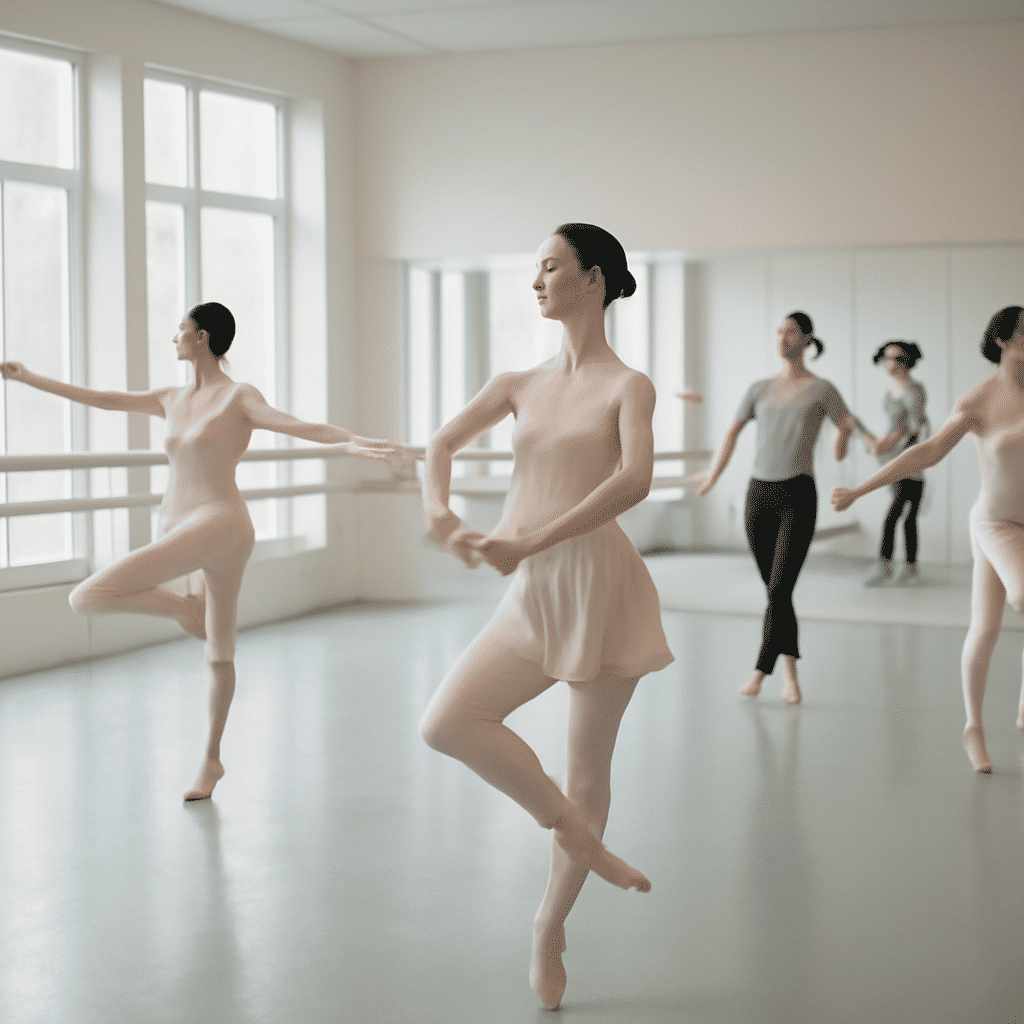
In the mesmerizing world of ballet, a dancer’s journey is one of perpetual growth, where dedication meets artistry to create performances that captivate audiences. As dancers progress in their craft, they seek to refine their techniques, pushing boundaries and elevating their skills to unprecedented heights. Advanced ballet techniques serve as the gateway to this higher caliber of artistry, providing rigorous training for those prepared to delve deeper into the world of dance.
For dancers ready to embrace this elevated journey, advanced ballet classes offer an environment where technical prowess and creative expression coexist. These classes focus on perfecting the nuanced aspects of ballet, challenging dancers to refine their balance, flexibility, and strength while enhancing their interpretative skills.
One of the core components of advanced ballet training is the emphasis on precision and control. Dancers are introduced to complex choreography that requires a deep understanding of their body's mechanics. This includes mastering intricate footwork, delicate arm movements, and the ability to execute flawless pirouettes and leaps with seemingly effortless grace.
In these classes, the barre becomes both a tool and a test, pushing dancers to explore the length and strength of their bodies. Exercises at the barre lay the foundation for impeccable technique, honing the muscles and aligning the body to support the fluidity needed in performance. These exercises are designed to strengthen core muscles, enhance turnout, and build the endurance necessary for more demanding routines.
Beyond the physical demands, advanced training nurtures a dancer's artistic sensibilities. Expression through movement is paramount, and classes focus on helping dancers convey emotion through their performances. This requires an understanding of musicality, phrasing, and the ability to translate the nuances of a score into movement that resonates with the audience. Advanced dancers learn to embody characters, tell stories, and connect on a deeper level with their audience, elevating what is fundamentally a physical skill into an art form.
Moreover, advanced ballet techniques open the door to a greater variety of styles within the ballet domain. Dancers are introduced to contemporary ballet, where traditional techniques merge with modern expression, offering a broader repertoire and allowing for greater individual interpretation. This fusion encourages creativity, pushing dancers to explore new dimensions of movement and expression.
However, the journey through advanced ballet is not solely about perfecting technique. It also fosters resilience and determination. The rigorous demands of such training inevitably bring challenges. Dancers must navigate the physical toll of intense practice and the mental fortitude required to overcome plateaus in progress. In doing so, they cultivate discipline, dedication, and an unwavering passion for the art of ballet.
In conclusion, advanced ballet techniques offer dancers the opportunity to reach new heights in their artistic and technical abilities. Through rigorous training, dancers enhance not only their physical skills but also their emotional and artistic expression. For those committed to elevating their craft, these classes provide the essential bridge from proficient dancer to accomplished artist, paving the way for performances that linger in the hearts and minds of audiences long after the curtain falls.